
Interview with Vegan Venture Capitalist Michiel van Deursen
General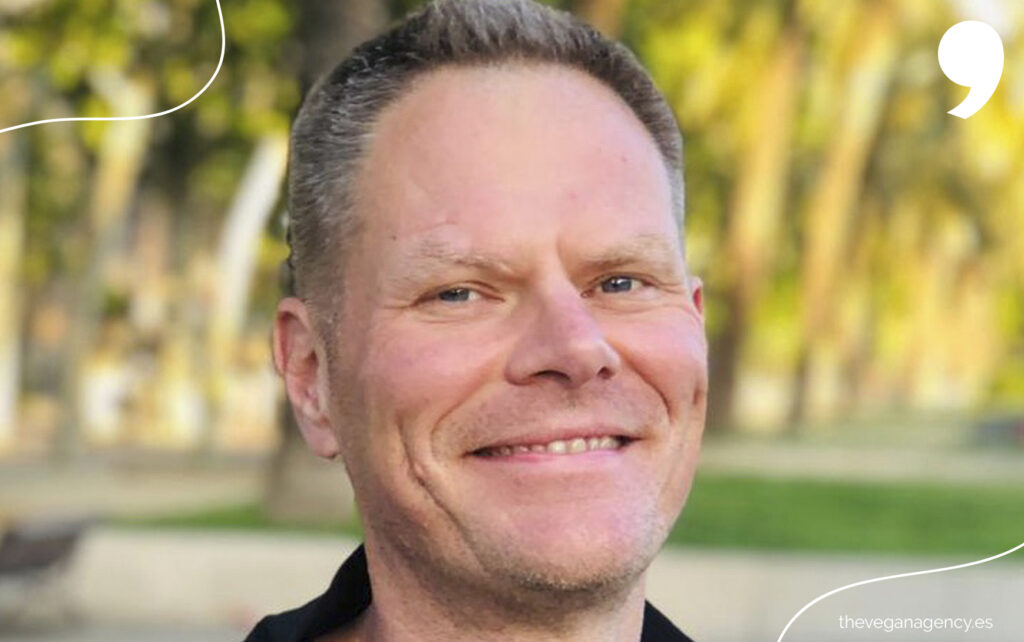
We wanted to know what it’s like to be not only a venture capitalist, but a vegan venture capitalist, and how you get there. So we asked Michiel van Deursen, triathlete and committed vegan venture capitalist to tell us about his experiences.
- TVA: Let’s start at the beginning – what made you want to be an entrepreneur?
- Michiel: To be honest, I never envisioned myself as an entrepreneur. I was a student neuro psychology and imagined my career would be in that space. Then the internet started booming and I was missing something, a service that did not exist at the time. So, I thought, why is no one doing this, and if nobody does, let me do it. Somebody has to do it, right? I started working on this classified ads platform that would become my first company. It did not take long before I was enjoying being an entrepreneur. The power to make decisions yourself and to work on something that you are solely responsible for its success and to really add value where you want. Even long hours and team spirit, or simply creating something that makes the world a little bit better.
- TVA: What lessons did you learn from being an entrepreneur that helped you later as a vegan venture capitalist investor?
- Michiel: A lot. You cannot plan most things, it’s all about mindset and people. Recognising and being open to opportunities, and creating your own luck is a big part of being an entrepreneur. I look for that in start-ups that I invest in now. The team is so important. Another thing is that the numbers must add up. An entrepreneur should be obsessed with numbers; whether it is KPI’s, financials, or NPS etc. What you don’t measure you can’t manage. Focus is important, too. It is tempting to do many things at the same time, but if you lose focus as an entrepreneur, you will have a tough time.
- TVA: After being a successful entrepreneur, you made the change from building companies to funding companies, what provoked that change and what are some of the main differences between setting up your own company, and financing other people’s projects?
- Michiel: The change from entrepreneur to investor happened because I decided I did not want to put in the extreme number of hours I had put in during my time as an entrepreneur. Not many people realise it, but as a founder you are working day and night, I never took time off. So I decided it was time to see something of the world and let others do the grinding for a while.
- TVA: You also moved from tech to plant-based enterprise, why the change?
- Michiel: I started in tech when the internet was trying to invent itself. It was an exciting time, anything was possible and it was going to change the world. In 2014 that kind of happened and the internet was mainstream. I am a person that wants to be ahead of things, and to be there where new things start. So, in 2014 I moved to plant-based, as I believed ‘fake’ meat was what the world needed.
- TVA: How did you find changing to a plant-based diet, personally? How did it affect your business decisions?
- Michiel: I was already vegetarian for a long time, and I didn’t care about food that much, so was not sure what was going to happen. What I wasn’t prepared for was the health effect; I had more energy than ever before and loved my newfound excitement for all things food. Changing to plant-based was one of the best things that’s ever happened to me. And since then, all my business decisions are about taking animals from production by creating better alternatives for animal based products.
- TVA: Now you have set up a new kind of enterprise – a micro venture capital organisation – which provides Angel, Seed and Series A funding to companies. What are the differences between each type of funding, and so what are the differences between the companies that qualify for each type of funding?
- Michiel: The difference is the phase the start-up is in. Some have just started and have only the very basics, whilst others already have a market share and need money to scale up faster. Every phase has its own challenges. From finding product-market fit to hiring the right people to grow.
- TVA: Your enterprise is called Capital V, we guess because it’s capital, for vegan businesses, so what types of companies do you fund?
- Michiel: Correct! I focus on companies that take as many animals as possible out of production by creating alternatives. Alternative protein companies are the most visible, people know about plant-based meat these days, and understand fish and dairy is next. However, I also look at less obvious alternatives for food, like snacking or ingredients. Coming from tech I have invested in online platforms. The last few years I am very excited about bio-based next-gen materials, think plant-based leather, removing not only animals but also plastic. And making the fashion and materials industry more sustainable.
- TVA: There are some well-known global brands in your portfolio, what is it that you look for before investing in a new company? What are some of the things that could put you off investing?
- Michiel: First of all, I look at the team. Can they handle years of hard work, with a company that is changing daily, meanwhile maintaining good fun and an exciting working environment? Do they have attention to detail whilst not losing themselves in it? Do they pay attention to the right things? Is there a market for what the company is offering? Are the numbers and projections realistic and healthy? Is the company ahead of its competitors and the market?
- TVA: What does a typical day of your work life look like?
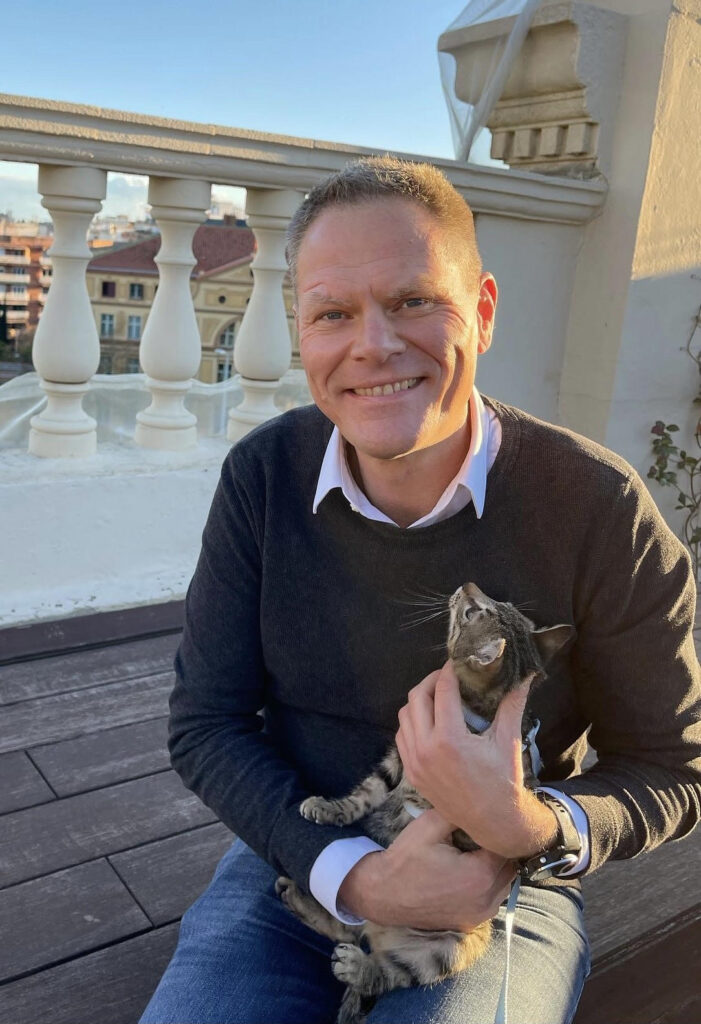
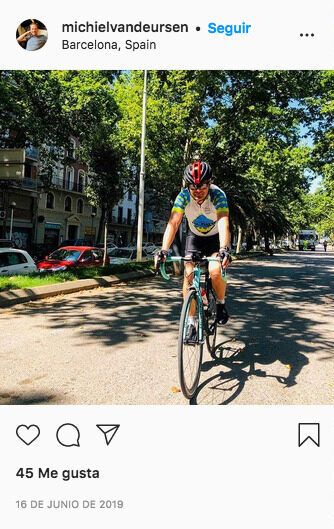
- Michiel: It is different every day! As a triathlete I usually begin the day with a swim, bike or run. And a coffee of course. After that either meetings with the teams of portfolio companies or investors. I receive lots of messages and pitch decks and prepare presentations and articles, I read a lot, I check the latest deals and info on Vevolution.com, a platform where start-ups and investors meet. Most of it is online, but I also really enjoy having a coffee and seeing people in real life again. And of course, I love to spend time with my girlfriend Holly and our cat Loki.
- TVA: Finally, the money you invest goes into developing a system which is animal free, why is that important to you?
- Michiel: I do it all for the animals, I see no reason why animals have to suffer with so many options these days. However, it also turns out to be one of the best and easiest solutions for the climate crisis we are in. It has tremendous health advantages, too! Every day still I learn more about the positive impact the removal of animals from production system has, it is truly a win-win-win opportunity with huge impact, and I like that.