
2026 Communication & Plant-Based Food Trends (And What 2025 Taught Us)
Communication, General, Plant-based sector
Every year, trade media and specialist blogs publish their trend forecasts – what experts in different sectors say is going to shape the year ahead. It can feel a bit like reading your horoscope, or like those weather predictions our grandparents used to make at the weekend, but at The Vegan Agency, we believe it’s genuinely useful to know what’s happening out there and use it as a point of reference.
Today, we’re expanding on the plant-based food trends 2026 post we shared on Instagram, and adding a few recommendations for your communication strategy, too. We’ll look at concepts like radical transparency and talk about the current size of the mycoprotein market, among other things.
Before we dive into that, let’s take a quick look back at how 2025 went for us at the Agency, so you can see where we can actually help your brand.
What Went Well for Us in 2025
In 2025, we had the chance to work with major animal rights NGOs and started collaborating with effective altruism and high-impact organisations. It’s been one of our most prolific years to date:
- 250+ media hits
- Several million euros in AVE generated for our clients
- An exponential increase in awareness across target audiences and key markets
Here are a few highlights.
Compassion in World Farming
We worked with Compassion in World Farming for several months to develop a strategy for a local advocacy campaign, and we also collaborated in coalitions to move these policies forward in our national parliament and at the European level.
When we presented one of the reports their experts had been working on for months, we secured more than 35 media hits in just one week.
Mercy For Animals
Over the summer, we supported Mercy For Animals, designing their PR strategy in Mexico so that their Cannes award-winning documentary reached outlets with audiences in the millions, such as Milenio and Excélsior.
The Milenio interview alone ran for more than eight minutes, giving them space to explain in depth how over 90% of hens in Latin America live in cages.
Animals’ View
We helped the Animals’ View team with communication for their recently awarded documentary about exploiting animals such as fish and crustaceans in Spain and India.
We worked on their media strategy to secure coverage in outlets like eldiario.es, La Vanguardia, Los 40 Principales, and a full interview in El Salto.
Animal Guardians Foundation
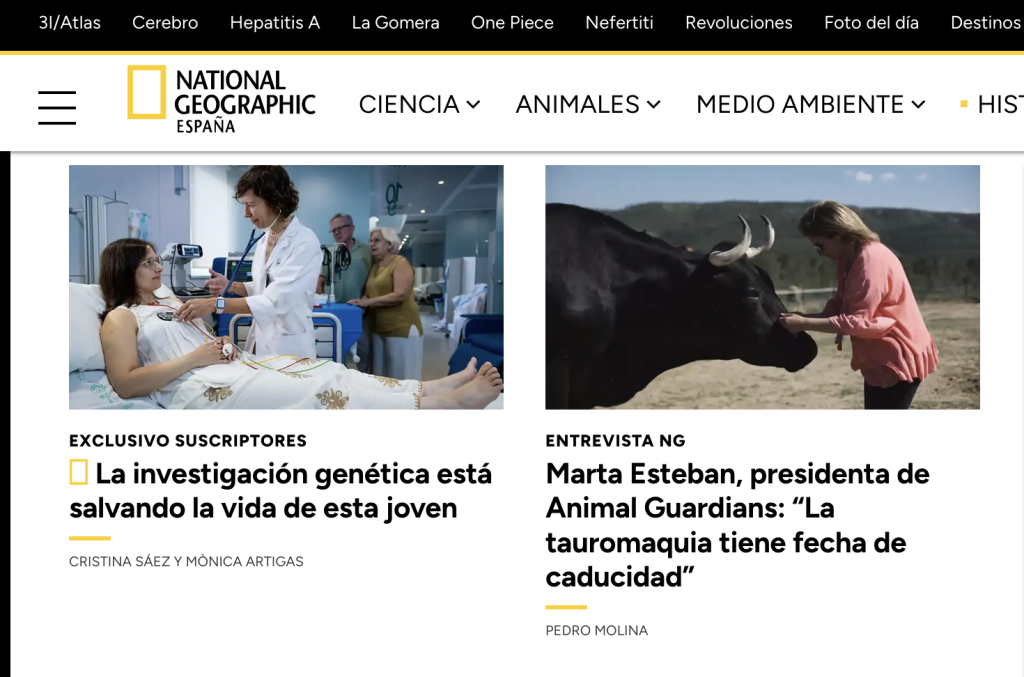
For the Animal Guardians foundation, we secured more than 80 media hits in a single month, and for the first time ever, one of our clients appeared twice in National Geographic. One of those pieces was an interview with the founder.
The foundation is part of a coalition in Spain working to make the world’s first Great Apes Law a reality.
HappyCow
Lastly, for HappyCow, we supported them with urgent communications and PR issues, as well as managing the announcement of a change in ownership for this iconic brand.
We achieved over 30 international media mentions in their target countries, in both English and Spanish, and launched the first two annual data reports that the company produces, thanks to contributions from its community.
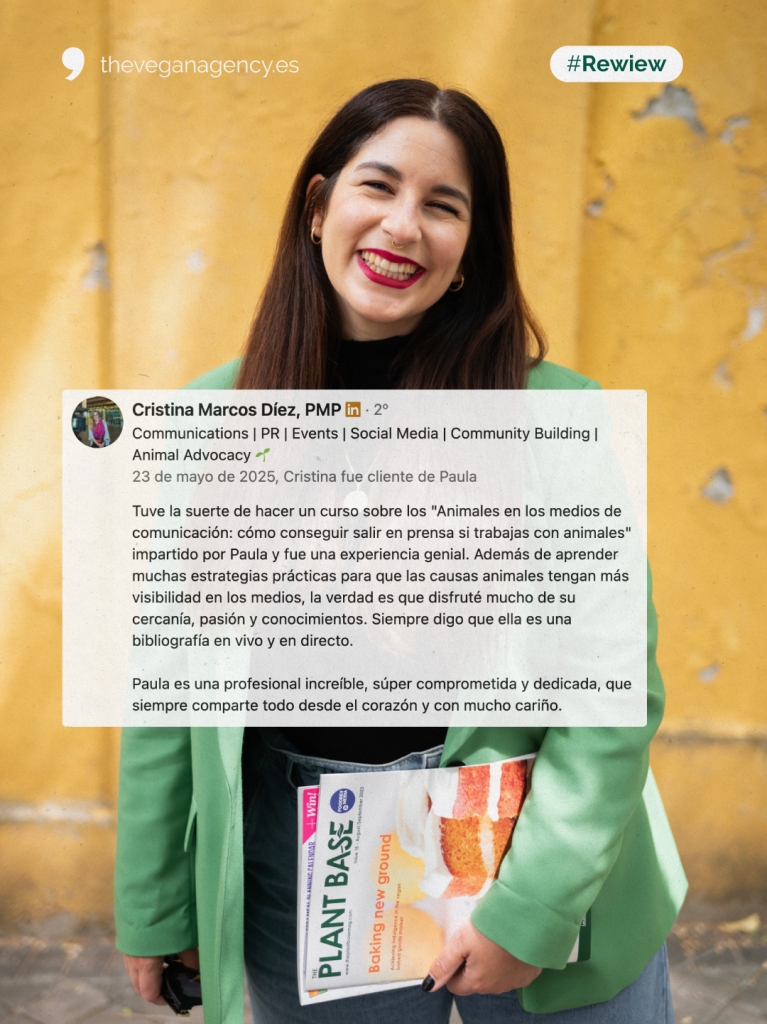
If you’d like to work on your media presence or your communication strategy with us this year, you can book a session so we can see how we can help. Few things make us happier than messages like Cristina’s, recommending our work.
2026 Communication Trends for Mission-Driven Brands
Here’s a rundown of the communication trends we think are most relevant for you – assuming we share some values – and how they might apply to your brand.
1. Social Insularity: Your Brand as a “Values Refuge.”
Around 70% of people say they’re reluctant to trust someone who doesn’t share their values or sources of information (Edelman Trust Barometer 2026).
In 2026, people aren’t just buying products; they’re looking for a “values refuge”.
Your communication shouldn’t be neutral – it should plant a flag. Being a plant-based brand, for example, is already a values statement (sustainability, ethics, health, etc.). Make those values visible, concrete, and consistent.
2. New Sources of Authority in Health
Almost 40% of young people (18–34) say they prioritise health advice from social media or friends over traditional medical providers when they feel the latter lack empathy or proximity.
The lesson for brands:
Create content that is empathy-led but reviewed by experts. You break down the old “authority barrier” by speaking in a human, accessible way, while still being rigorous and informative. That mix is what builds long-term trust.
3. Radical Transparency: From Claims to Proof
Consumers no longer buy into greenwashing, or any other type of washing. In 2026, the trend is to show the LCA (Life Cycle Assessment) of products and brands.
The proof is in the doing:
- Show your data
- Explain your methodology
- Be honest about what’s working and what still needs work
Open, measurable impact beats vague promises every time.
4. The Return of Millennial Nostalgia
Consumers are looking for more analogue connections and less digital overload. Missing an event won’t feel like the end of the world anymore, and not everyone wants to be ‘always-on.’
For brands, that means exploring formats for people who don’t want to be chronically online. Think:
- Closed-door or invite-only events
- More exclusive experiences
- Limited drops or editions of products
- Offline touchpoints that feel intentional, not like an afterthought, or a place to simply create more content

Plant-Based Food Trends to Watch in 2026
Now, let’s look at what’s going to be in the spotlight this year for the plant-based food trends 2026 in the industry and for consumers.
As with the communication trends, we’ve focused on what makes sense, both for us and for you. If you want to go deeper into this year’s plant-based food trends, you’ll find all the references at the end of this post, but we’ve done you a favour and compressed it for you, so this is curated content, not a random list.
1. Fibre and Food Diversity Finally Get Their Moment
Fibre and dietary diversity are finally getting the attention they deserve in both the media and the industry.
Many healthcare professionals have highlighted the rise in colon cancer among younger people, so recipes, products and recommendations focused on reaching daily fibre targets will keep growing. They’re already trending on social media and only picking up speed.
One example: the recommendation to eat up to 40 different types of vegetables, fruits, grains and seeds per week to support good dietary diversity. Sounds like an impossible task, but if a nutritionist breaks it down for you, it’s easier than you think.
2. Protein Is Still Queen (But More Targeted)
Protein continues to dominate in:
- New product development
- Recipes
- Editorial coverage and features
What changes is the level of specificity. We’re moving from generic “high-protein” messaging to recommendations tailored to women in perimenopause, neurodivergent people, and other specific groups with different needs.

3. High-Precision Fermentation Gains Ground
High-precision fermentation is becoming stronger in the market as a way to support gut health.
Products using traditional recipes and fermentation techniques, like sauerkraut or kimchi, have fully entered HORECA and food service. Brands are exploring ways to innovate with products that are:
- Familiar enough for consumers to try
- Functional enough to justify a change
4. Mycoprotein: A Market Worth Hundreds of Millions
The mycoprotein market was worth 761 million USD in 2025 – and it’s not slowing down.
The fungal kingdom will keep expanding, with:
- Meat-style products like one of the original gangsters, Quorn
- Fungi ingredients in coffee, protein drinks, and supplements
It’s a space to watch if your brand plays in protein, functionality, or sustainability narratives. The market is still in its infancy, but it is taking off in a big way.
5. Texture: Still a Major Barrier
A key point to remember: 37% of people in the UK don’t buy veggie products because of the texture, according to The Vegan Society.
Flavour and texture remain two of the biggest challenges for the plant-based industry. This isn’t just an R&D issue – it’s a communication challenge too. Managing expectations and educating around preparation can make a real difference. We all know what happens when you try to make seitan ‘well-done.’
6. The EU Naming Battle for Plant-Based Products
The EU is still moving forward with changes to plant-based product labelling rules.
Even though the dates are not yet clear, the EU wants to restrict or ban words like “sausage,” “steak,” or “burger” when referring to plant-based products.
Brands need to start thinking now about:
- How to name products creatively without losing clarity, especially for potential customers
- Brand and communication strategies that can survive these regulatory changes
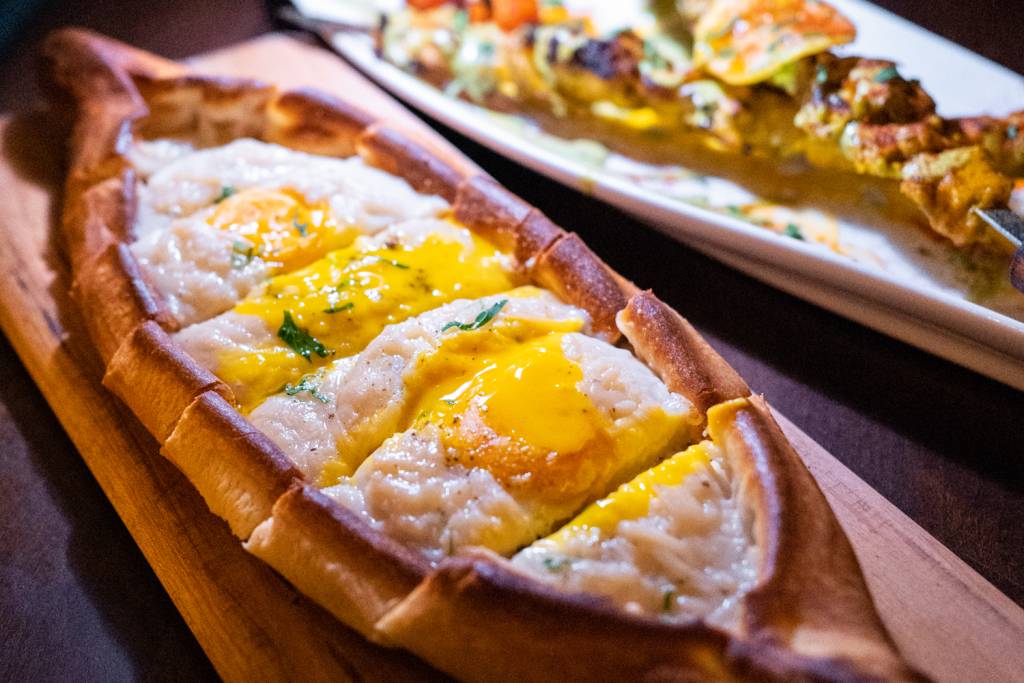
7. If it looks like egg and smells like egg…
Egg alternatives are having a moment.
We’re seeing better ways to produce “eggs” that:
- Last longer
- Use fewer resources
- Are cruelty-free
With the rise of avian flu in the US, egg alternatives have surged, positioning themselves not only as ethical but also as more resilient and safer options.
Trends Are a Guide. Your Brand’s Essence Is the Work.
What 2026 trends in communication or plant-based food do you think we’ve left out?
Trends are a useful guide, but the essence of your brand is still consistent, high-quality work. That’s what really helps you withstand the test of time, beyond any yearly prediction, fads, or bandwagons to jump on and off.
We can help you with that. Take a look at our services, or get in touch with our communication agency specialising in environmental, sustainability and plant-based topics so your brand can grow and consolidate its position in 2026.
If you’d like to go deeper into why plant-based or vegan food products are pulled from the market, you can read this article of ours. And if you want support getting your plant-based company into the media, why not get in touch with an agency and see how they can help you get there, and take something off your plate in 2026.
All of these photos and graphics are our property ©. If you’d like to use them, please email Tom@theveganagency.es.
Lastly, if you want to stay in the loop (and chat a bit), we’d love to see you in our newsletter.
Sources
- https://www.edelman.com/trust/2026/trust-barometer
- https://www.vegansociety.com/news/blog/TM2026/future-vegan-food-and-drink-2026
- https://www.mintel.com/insights/food-and-drink/global-food-and-drink-trends/
- https://www.nytimes.com/2025/12/29/dining/food-trends-2026-predictions.html
- https://www.topcomunicacion.com/las-claves-de-la-comunicacion-digital-en-2026/