
Sustainable Development Goals – How to align your business
General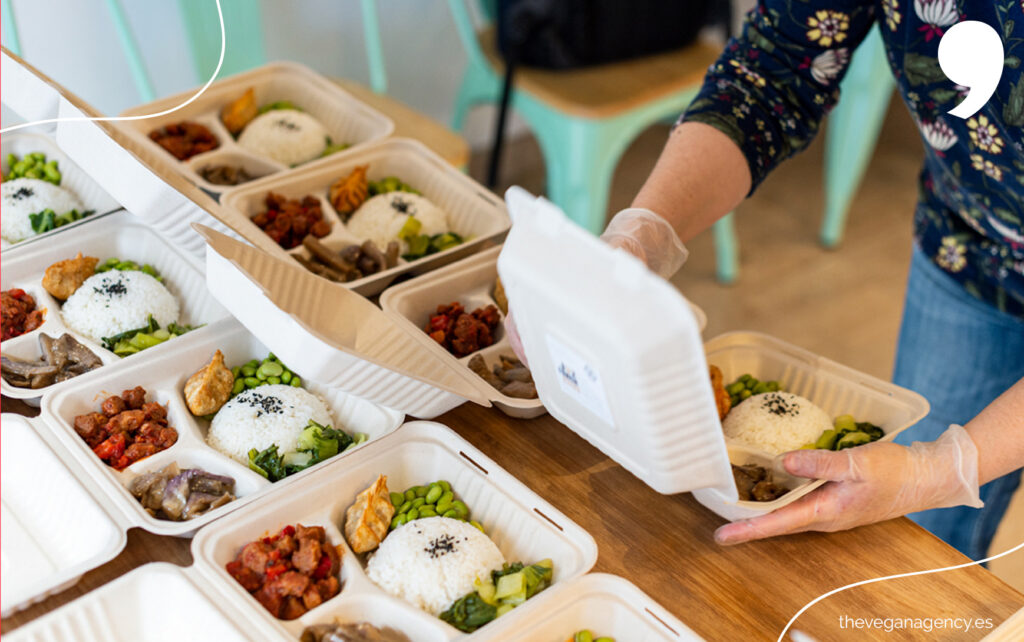

What are the Sustainable Development Goals and where did they come from?
The Sustainable Development Goals (SDGs) are a set of global objectives and are the culmination of over 20 years of international cooperation by UN member states to set out a roadmap to a better world in terms of peace and prosperity for its many peoples.
The SDGs are:
However, in order to achieve these lofty goals, the members decided that apart from simple progress in terms of forward economic momentum, other vital areas would have to be addressed. In 2015 the member states agreed that to end poverty and promote peace solutions must also tackle health and education, inequality, climate change and environmental protection.
At the 2015 Sustainable Development Summit in New York, a total of seventeen Sustainable Development Goals were agreed upon, and the 2030 Agenda for Sustainable Development was adopted. These 17 goals are a breakdown of how to develop towards peace and prosperity in a sustainable way.
Who are they for?
The Agenda for Sustainable Development starts with the words “This Agenda is a plan of action for people, planet and prosperity.” The important part, from our point of view, is the people.
UN leader Ban Ki-Moon told more than 350 business leaders, government and UN officials that “governments must take the lead in living up to their pledges. At the same time, I am counting on the private sector to drive success.” He also warned that “…companies must not make our world’s problems worse before they try to make them better.”
It’s clear, then, that business people also have the responsibility to change and adapt in order to align themselves; their processes, products and services, and philosophies, with these SGDs in order to drive the right sort of change. Keith Weed, marketing and communications director at Unilever, even goes so far as to suggest that businesses that are not making efforts to keep social and environmental sustainability at the core of their business model, and even brand identity, won’t be around for long. He also explains that brands are playing a role more alike to a citizen, like you or I, and are responsible for leading change; simply not doing ‘bad’ is not an option, brands must actively do ‘good.’
One way to do good, of course, is to align yourself and your business with the SDGs, or as many of them as you can, to start to drive change, and stop simply not doing bad and start doing good.
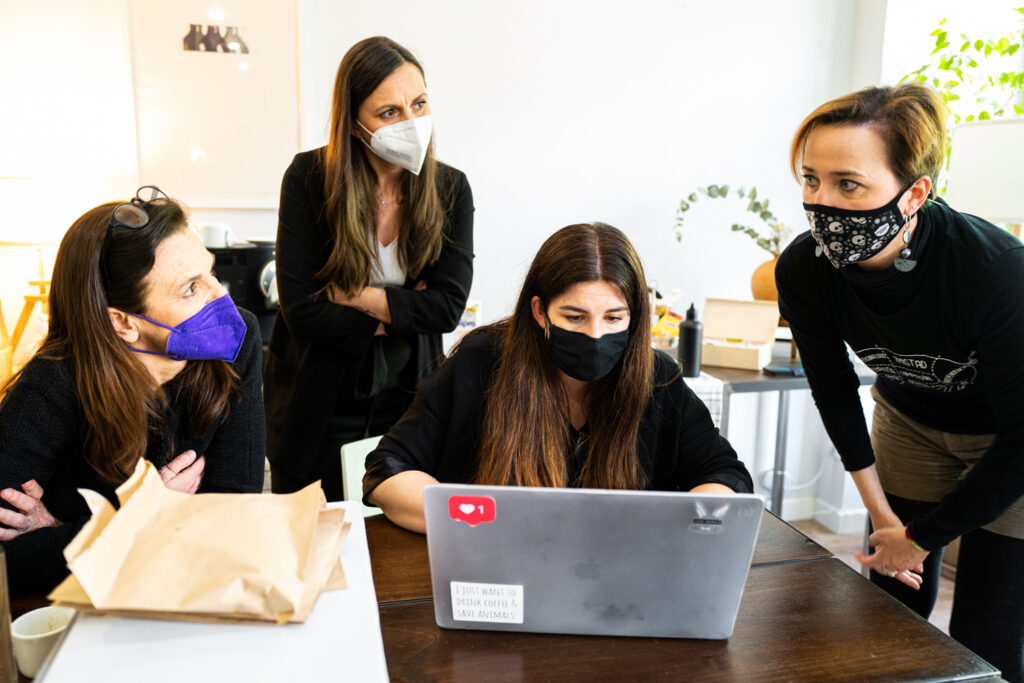
Doing good: How can your company align with the Sustainable Development Goals?
The 17 SDGs may seem like huge mountains that are almost impossible to scale, but actually, they are all just boxes with a whole host of smaller, easier-to-reach objectives within.
Let’s check out an example – number three – good health. Good health is pretty easy to imagine, right? I’m not sick therefore I must have good health. However, inside box number three are thirteen targets and twenty-six indicators that explain how to meet them. Of course, your company may not be able, or indeed need to meet all of these targets. For example, Target 3.1 refers to AIDS, TB and Malaria, which are unlikely to be an issue in European businesses. However, run your finger down the list and you’ll find Target 3.4 – By 2030, reduce by one third premature mortality from non-communicable diseases through prevention and treatment and promote mental health and well-being. Inside Target 3.4 is Indicator 3.4.1 – Mortality rate attributed to cardiovascular disease, cancer, diabetes or chronic respiratory disease. Mountains of research show that a plant-based diet can help reduce the rate of cardiovascular disease and diabetes, so why not try plant-based food in your business?
What about number six – clean water and sanitation? For sure, your business has safe drinkable water, and your work environment is clean and sanitary. Have you thought about how much water you waste, though? Do you use the toilet during the day? I bet you do. If you work in a large office, there’s probably an almost constant flow of people going in and out. That’s a lot of flushing – clean water literally going down the drain. There are hundreds of cheap effective devices on the market, though, to reduce the amount of water you use in each flush. Imagine how much water that could save you in a whole year. Target 6.4, Indicator 6.4.1: Change in water-use efficiency over time. Now you’re getting the hang of it.
That being said, it’s not always straightforward and understanding the targets and indicators and how they could translate into concrete actions for your business isn’t always clear. To help you there are a couple of tools you can use.
The Wizard
You can try the SDG indicator Wizard; a tool to see how your work aligns with the SDGs. The tool asks for a text describing your work as best you can, and it will tell you which SDGs you align with, and which specific Indicators you touch on.
The Compass
Global Reporting Initiative (GRI) together with the UN and the World Business Council for Sustainable Development (WBCSD) has developed the SDG compass, to orient companies and help them align their strategies with the SDGs as well as measure their own contributions.
Or if you prefer a more direct human approach, there are a couple of groups that have a great interest in your company and its alignment with the SDGs:
The Staff
If you’re still at a loss to know what goals you can work towards and create the most direct impact, why not try asking your employees? They’ll be able to tell you about how they live and what the most important things are to them, and how you can start shifting towards more sustainable business practices.
The Client
How about your clients? Finding out what their concerns and struggles are will give you valuable insights into the issues that your company could tackle on behalf of your client base. Do they long for better schools in their area? Are clinics in the neighbourhood understaffed? Do families live so far away from parks and green areas that they hardly ever connect to nature? Are they vegan already? Working to address some of these concerns will not only improve the lives of your customers but will also improve and strengthen your brand identity for the future.
We’d like to know: What sustainability goals are you implementing already? What others do you think you could start to incorporate, and what are the Goals at the heart of your business?