
15 Photography Tips For Your Vegan Business
General
In today’s world of Instagram and 100-megapixel camera phones, everyone is a photographer, and, in fact, quite a lot of people are quite good at it. With that in mind, this post is divided into two parts; one part for those who are aiming to hire a professional to create images for them, and one part for those who are DIYing it to keep costs down. Photography for your vegan brand doesn’t have to be a nightmare.
1. Good Photography for Your Vegan Business Is Always Worth It
Nowadays, your online presence is more or less just images. Maybe there is some text if you click through or scroll down and expand a caption or whatever, but basically, the first impression is always an image.
Even a video will usually have a thumbnail to entice people to watch it.
So, these images are essentially a digital first impression. In other first impression situations, it’s pretty rare that you would wear clothes not made by a professional, cut your hair yourself, or hand out business cards you made yourself with a post-it. Now that basically all businesses are online, or have an online presence, imagery is fundamental to communicating efficiently, rapidly, and attractively to your potential clients.
Professional photography is an investment that will not only pay for itself over and over, it will also make your vegan brand or vegan products look like what it is – a professional enterprise.
Check out why professional photos are the way to go here.
2. Credit The Photos
There are lots of ways to share photos nowadays, almost all of them digital and free. Being able to save, pin, screenshot, regram and just generally snag a photo from wherever you are viewing it means it is really easy to publish someone else’s work. Usually, this is great for the artist because it means their work is reaching new audiences, but all too often reposted images are not credited.
This is not limited to individual users, in fact, the media are equally bad at putting adequate credit on photos they use, and widespread use of social media grabs is common.
However, it is rude. Most people take time to carefully craft an emotive caption, call to action etc, but then don’t credit the photo. In some cases, it’s absent-mindedness, in some cases laziness, and often because a person doesn’t know the author.
Photographers love making photographs, not hunting you down on social media. Don’t make us chase you! Credit the photos you use, even if you hired a photographer to take them – it’s a good deed. We like good deeds. Even better; tag in the image AND the caption.
3. Getting into Media Thanks to Your Images
Sometimes things are this drastic: no photo; no publication. It’s happened before, and we’ve had to send our photographer running off to get some last-minute photos to make sure they’re good enough quality for the site, or to be printed.
Other times it’s a simple case of raising the chances of the media featuring you if your photos are awesome and meet their standards, too.
4. Always Have Too Many Photos
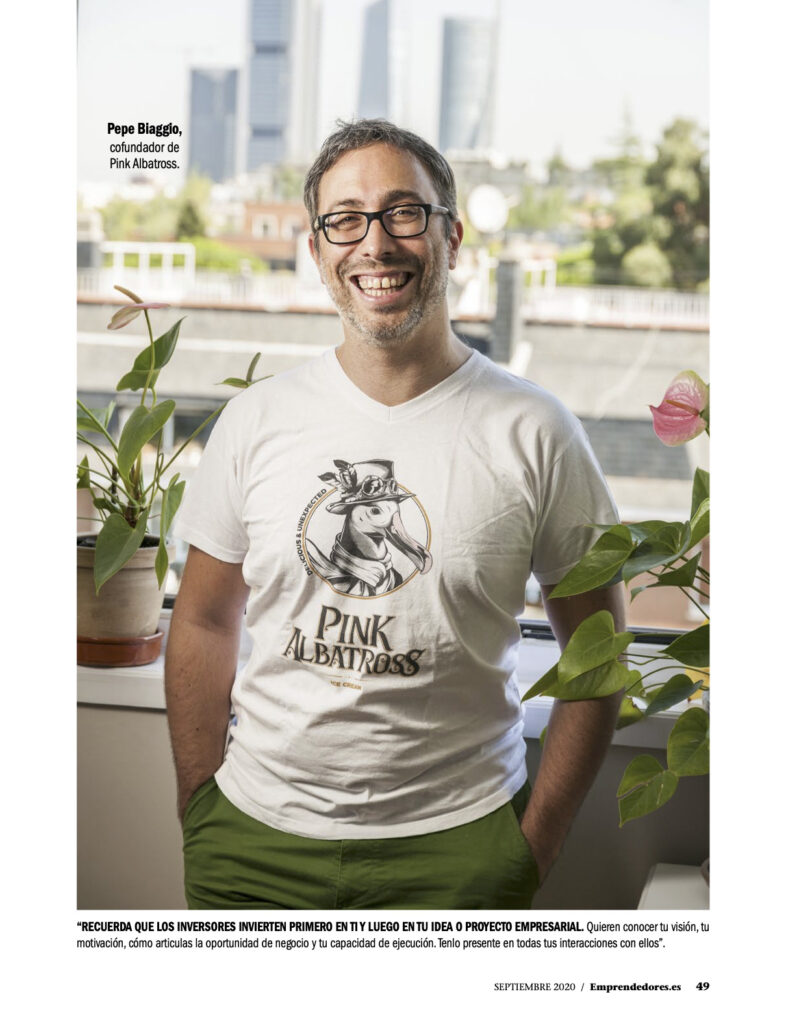
The more photos you have, the better for social media, your website, and press. Whether you do your own imagery, or you hire a professional to take care of it for you, there is a lot to be said for having a large, varied image bank. Your own library of ‘stock’ photos should cover a range of things that you may want to write, post, or communicate about.
Professional portraits of you and your staff and collaborators, photos of your products, lifestyle photos of your services in use, products in an ideal setting, photos of the processes you employ, and even photos of your offices and equipment are all super useful.
The more photos you have, the less you have to jump to generic stock images that will decrease the overall quality and cohesiveness of your brand. Having your own photos also means you have complete control of the style, content, and use of the photos.
5. Say Cheese
So, you have great photos of your products, amazing lifestyle images of your services being put to good use, and maybe even company stock photos of notebooks bursting with ideas and steaming mugs of coffee; but where are you?
Nowadays people aren’t just buying products or paying for services. Instead, they are investing in brands, brands which are aligned with their own morals and ideals. More and more brands are now intimately linked with the people who are behind these businesses. That’s you, you with the great ideas, you with the hard work, and you with the same ideals as your potential clients.
We want to see you! It’s fundamental right now to not only have a great business logo and cohesive design but to present yourself as the face of your business.
Fantastic, personal images are an investment that will pay for itself 100 times over.
The public wants to see you, the press wants professional photos of the people behind the brands they feature, and of course, your mum wants to see you doing well, too.
6. A photo love story
Remember lockdown? You’d been pretty bored locked in your house for almost 3 months, for sure you shot some (dozen) selfies, maybe a couple of hundred photos of your dog, and probably a couple of your feet (who hasn’t?!). Maybe you even dusted off the DSLR and started trying to bolster your photo library for your website and social media.
Now we’re almost into “Close Encounters of the Third Kind” why not delegate your images to a pro and get back out there? The market is awash with new businesses, services, and products, and we’re all looking for our little space on Instagram. No need to repeat how important images are…time to delegate.
7. Background Is Key
The background is crucial in all photos. Carefully choosing a background is a difficult and often dangerous task when you are out and about. Whether it’s a casual portrait of a friend, an adorable doggy snap, or a photo of your new wheels; there’s always a pesky lamppost poking out of a head, a bright yellow postbox, or the police parked casually in the way, ruining your background.
However, in some cases, you don’t have to suffer so much to get a perfect background – you can just make it yourself!
Paper backgrounds are great because you can just buy the paper in the colours and sizes you want, and tape it wherever you need. You can even cut the paper into dynamic patterns and shapes.
MDF backgrounds are great because you can use them over and over again. Simply paint them in the exact colour you want, and then paint over them when you are done. Make sure you get a thick board, though, or your background will warp as the paint dries. You can use paper, too – just paste it on like wallpaper.
Fabric backdrops are a little more complicated. Using a piece of canvas as the base, you can paint it with a variety of colours, mixing your own and creating unique patterns to create exactly the effect you want in a photo. Then you can pin it to a board, stick it to a wall or hang it from a rail.
8. Get Your Camera Out Every Day
Seeing well, composing shots and manipulating the camera are all skills that you have to practise and polish. How do you do that? Repeating them over and over again. Above all the camera settings. Once you have mastered the buttons and wheels and dials on your little black box, your brain can focus on creating the photos that you want, rather than working out how to get the correct exposure.
If you go to the supermarket, take a camera. If you have to post a letter, take your camera. If you commute, take your camera. It should be easy because you have one attached to your phone. There are thousands of opportunities every day to take photos of something, even if it’s just an interesting shadow, or crack in the pavement or a piece of trash. Each photo will grow your photographic muscle a little bit and make you a better photographer. You’ll also slowly start to see what type of photos you like and how you can transfer that into your brand imagery. Perhaps dark and moody shadows are your thing, or pops of colour, or light and airy images hold your interest. Whatever type of image you end up making the most, you can probably find a way to integrate it into your brand.
9. Walk Before You Run
Nowadays it’s pretty easy to be a photographer. Everyone has a camera in their pocket, and they get better every two weeks. The latest iPhone has 13mm f/2.4, 26mm f/1.6 and 65mm f/2 cameras, so actual optical zoom, and even shoots in RAW if you want. Samsung makes a phone with over 100 megapixels, more than most cameras professionals are using. You have an absurd amount of control over your picture-creating parameters so you can bend your cameras to your will, and create almost anything you want.
However, be it iPhone or camera, if you don’t dominate your settings, when you are confronted with a new or complex situation, you’ll end up with disappointing photos. Simple perfectly executed photographs always beat complex almost-good-enough.
The ‘secret’ is practice, and especially practising the things you struggle with. If you can make amazing product scenes with multiple layers, colour schemes, and hidden meanings but struggle with lighting it well; practise the lighting. Find a mug, and light the mug 20 different ways. Yes, it is boring and you end up with 800 unusable photos of a mug, but your lighting will improve.
10. Bye Bye Blur
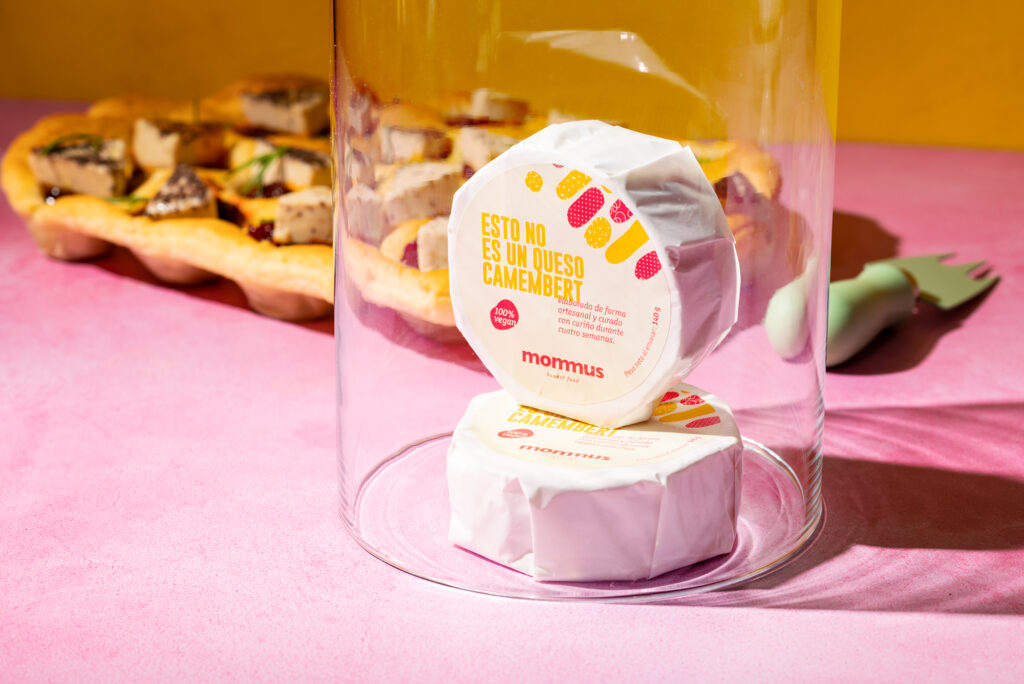
We love background blur – or bokeh for the nerds. It’s such a staple of photography now that Apple has made an algorithm that gives you fake bokeh in ‘portrait’ mode. We love swirly colours and little blips of pleasingly unfocussed lights behind our subjects. Sneaky blur, however, can also show up unwanted and ruin a photo.
There are several reasons why your photos might come out blurry, and almost all of them are super easy to fix if you know what problem you’re having.
1️⃣Shutter speed.
If your shutter speed is too slow, you get blur, caused by things moving in the photo, or your hands moving during the photo. Open up the aperture, or crank the ISO so you can up the shutter speed. The same thing also applies to tripods. If you need to shoot a long/slow frame, you’ll need a tripod (or books, a bag or a rock) to keep your camera steady.
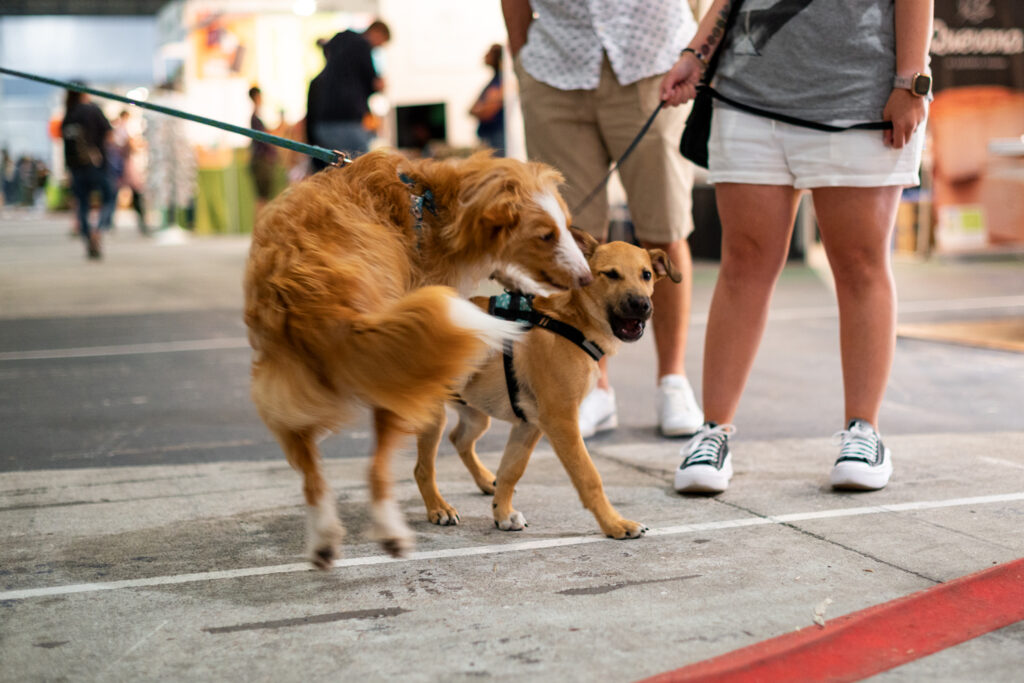
2️⃣Drive-by-shooting.
If you barely stop to take each photo you might start to move the camera again before the photo is finished. It’ll blur because you moved the camera before the frame was cooked. Chill out, take a shot, wait a second, take another one!
3️⃣Missed focus.
Sometimes your camera accidentally focuses on the wrong thing. A typical problem when you ask someone to take a photo of you and the background is in focus. Cameras and phones are getting better and better at choosing what to focus on when you take a photo, though. You can even point-select the focus on most cameras and phones; which is much easier.
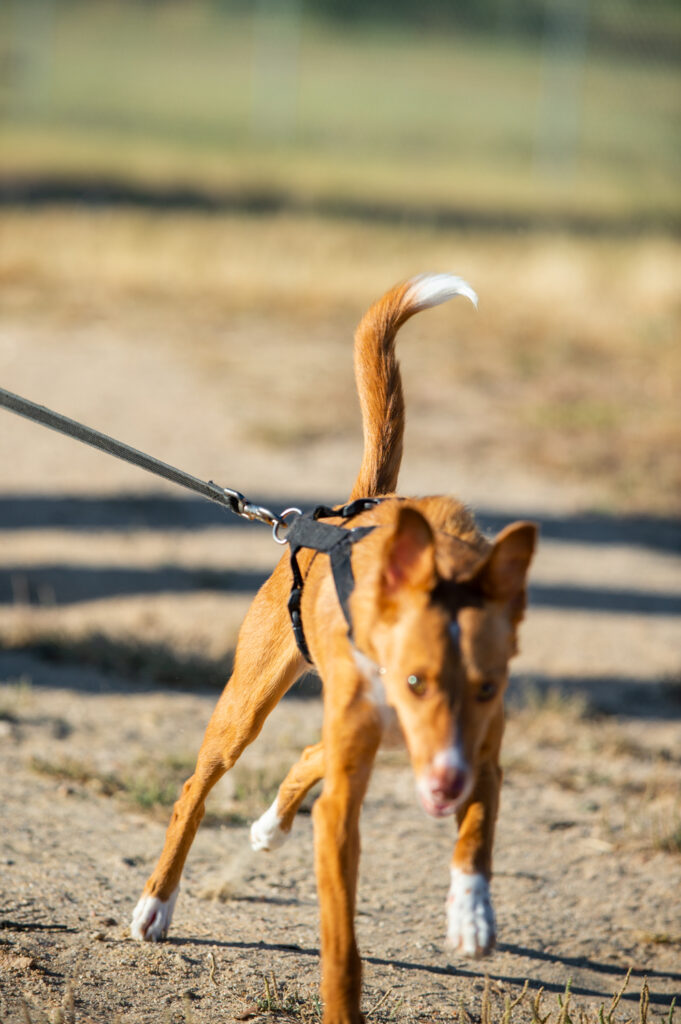
4️⃣Depth of field.
If it’s a bit dark around, or you want some cool bokeh, using a shallow depth of field is the key. However, if your depth of field is too shallow, you’ll only get a tiny piece of the photo in focus and lose the rest. Sometimes this is fine, but sometimes you get the old ‘eyelashes in focus+eyeball out of focus’ drama. Try a slightly higher aperture.
11. Imitate Then Innovate
”First you imitate, then you innovate”, Miles Davis
We learn by imitating. We draw inspiration from others to inform our own creative visions. Copying isn’t wrong, it’s not a bad thing to do, it’s not illegal…but it has a shelf life. When you start taking photos, or when you start taking photos of a certain type it is often a bit tricky because you are starting from zero; you have the tools, but no real idea how to use them to produce what you want.
So, you have to inform yourself, find other images that speak to you and inspire you to try and create something similar. It is even possible to almost exactly recreate a photo taken by someone else, especially with tutorials and gear lists available online.
Copying photographers that you admire is a fantastic way to learn and keeps you motivated to keep trying things to create images like the ones you have seen.
At some point, though, you need to push yourself a little further than making images you have already seen. At first, these images will probably disappoint you, the little tweak you made actually didn’t make a cooler image, it just ruined the effect you were trying to get.
If you keep going, however, and battle through the anti-climatic images eventually you’ll burst through the other side and create something you are really proud of. You might even be able to see the clear inspiration from the photographers you admire, but there will be a new flavour in the mix – yours.
12. Play Time
Playtime is a super important part of life when you are a kid, in fact, people encourage you to play as often as possible. Gifts are usually toys, increasing your playing options, and you are thrown together with other kids to learn how to play better with others.
Suddenly, at some point, society and you yourself decide that playing is ‘for kids’ and you stop doing it.
Error!
As an adult with a creative job or passion, playtime is really important. Play is how you practise new things, discover the best way to execute an idea you have in your head, and fine-tune your processes. Having a great idea for a shot is just the beginning of the journey. You have to work out how to execute the idea so you get the image you are imagining.
Trying things out during sessions for clients is a risky business if you have never practised it before, so dedicate yourself some time to play and produce personal work and practise the best way to execute each new idea. That way, when you get into a room with clients you are in the best possible position to wow them with a range of ideas that you can confidently execute.
13. Back Your Vegan Photos Up
Remember that there is only one copy of your photos when you press the shutter, so the first thing you should do, especially if they are for a client, is make a second copy. Every photographer ever has lost photos. Memory cards die or get lost, hard drives get dropped or too old, and phone and cloud storage get full and images disappear.
Ideally, you should have 3 copies, 2 hard drives and one offsite. Hard drives are cheap so it’s not too expensive to make two digital copies in your house. However, if your cat pushes everything off your desk, your house floods, or you get burgled, it’s a great idea NOT to have all your photos in the same place. Enter: AMAZON PRIME. Amazon gives you unlimited cloud storage for images for 20€/ YEAR. There’s no excuse not to have it. And you get to watch Prime too.
If you aren’t comfortable handing over your hard-earned cash to Bezos’ behemoth, there are loads of other online storage facilities dedicated to photographers.
14. Go into The Light
So, photo-graph is basically “light-picture,” pretty neat huh? Who’d have guessed? Well, OK, everyone. But, it turns out that not all light is created equal. That doesn’t mean that there is “good” and “bad” light (although you hear that a lot – midday light is the WORST), it’s all just different. Different colours, intensities, angles, sizes; it’s a pain. But you can control it, with your brain, and some other stuff.
Play around with the light. Move the subject around, move yourself around, move closer to the light, and further away, change the size and the angle etc etc.
Start simple – a window. You can change: angle, size, colour, softness & intensity of a window. With a white bed sheet, a shower curtain, and white translucent polyester you can make it softer. With sheets of cardboard, black fabric, or curtains you can make it smaller. Neither is worse or better, you choose what you like best.
To get more contrast between lights and shadows, move your subject closer to the window. For the opposite, move it away.
Once you feel like you have mastered The Window, you can try other types of light. Maybe you want to move outside, maybe you want to try flash, or maybe you want to try some funky nighttime light combinations with shops and traffic lights. The good news is that all light behaves the same way, so all the rules that applied to the window, apply to all the other types of light, too.
Really, there are no wrong photos, the key is to know what you want and be able to work out how to get it.
15. Most Common Error
The most common error isn’t really a concrete thing you or anyone else is doing wrong. Sometimes your photos are blurry or out of focus for no reason, or it’s not straight, or maybe it just looks weird. Well, there are about a million things that could be going wrong – maybe you missed the focus and accidentally focussed on the background or your shutter speed was too slow and you wobbled the camera, or perhaps you didn’t check the horizon lines before you got trigger happy, or could it be that you just left way too much space around the subject of your photo? We have all made those mistakes (and keep making them!), and there are loads of other fun ways to screw up a photo.
However, in general, there is one big happy solution to the majority of these cockups. Go more slowly. I am very extremely super guilty of rushing to get the photo and immortalise it before the moment passes, but that leads to a lot more “almost greats.” If you just take a minute and use the old noggin, you can adjust the framing, change the exposure settings and get the shot the first time.
Now that you already know what these 15 photography tips for your vegan business are, would you rather trust us with your beautiful brand so we can take care of it? We’re just an email away. If you want to work with us, read why we are a vegan communication agency here or learn what can we do for you and your vegan brand in our photography section.