
5 Things You Can’t Do with the Branding of Your Vegan Brand
Plant-based sector, General, Sustainability, Vegan communication agency
Well-developed and thoughtful branding is effective, and it’s an essential part of any brand’s strategy, and this is especially true for vegan brands. These five points should be avoided in your branding to maintain the integrity of your message. Now, let’s delve into these five rules to understand better why they are crucial for the success of your vegan brand.
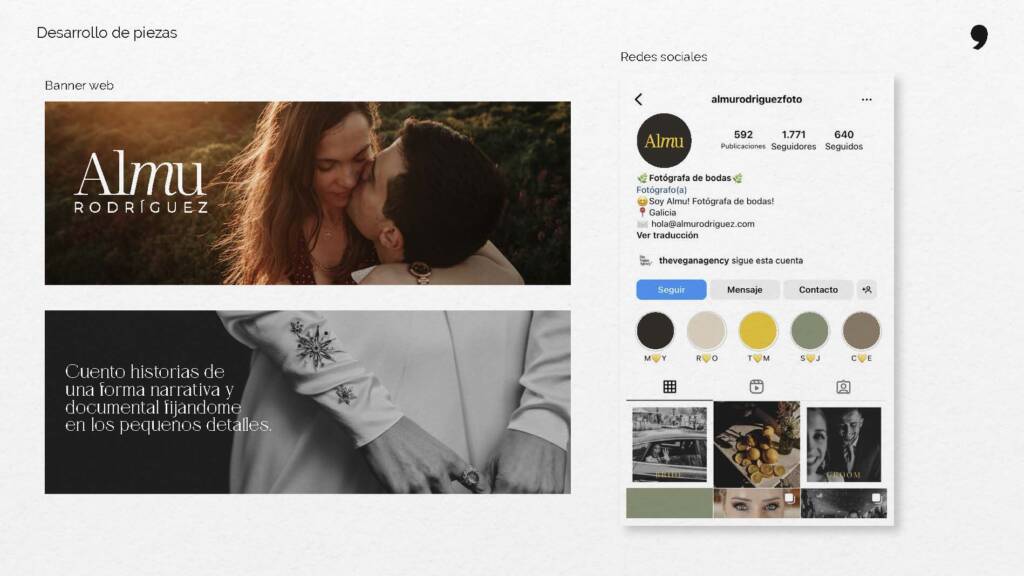
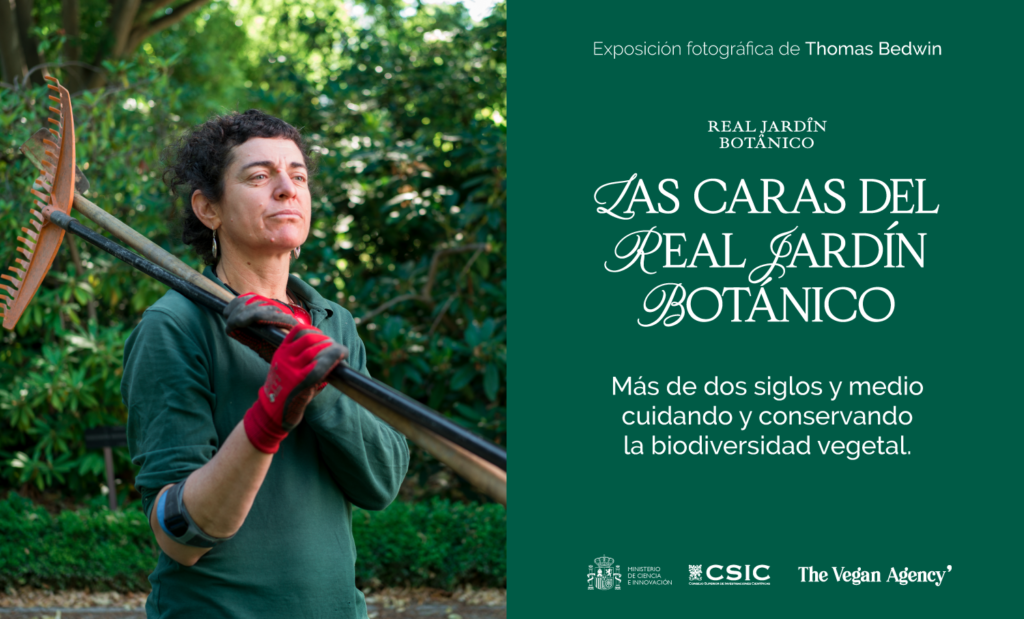
We have illustrated the article with examples, developed by our art director, Lucía Sierra, which we always illustrate with our photographs. If you are going to be guided by the images, let’s make sure you get good references. We weren’t going to take bad examples from the internet to expose anyone, there’s already plenty of mud-slinging going on around the web.
1. Placing all responsibility on your logo
While a logo is a fundamental part of any company’s branding, it cannot say everything about your brand and your values. Some brands make the mistake of over-relying on their logo to convey their message, forgetting that branding involves much more than just the graphic design of their brand name or logo image. The logo is an important element, of course, but it cannot be the sole carrier of your story. Your branding must tell a complete narrative that includes your values, your products, and the experience you offer your customers.
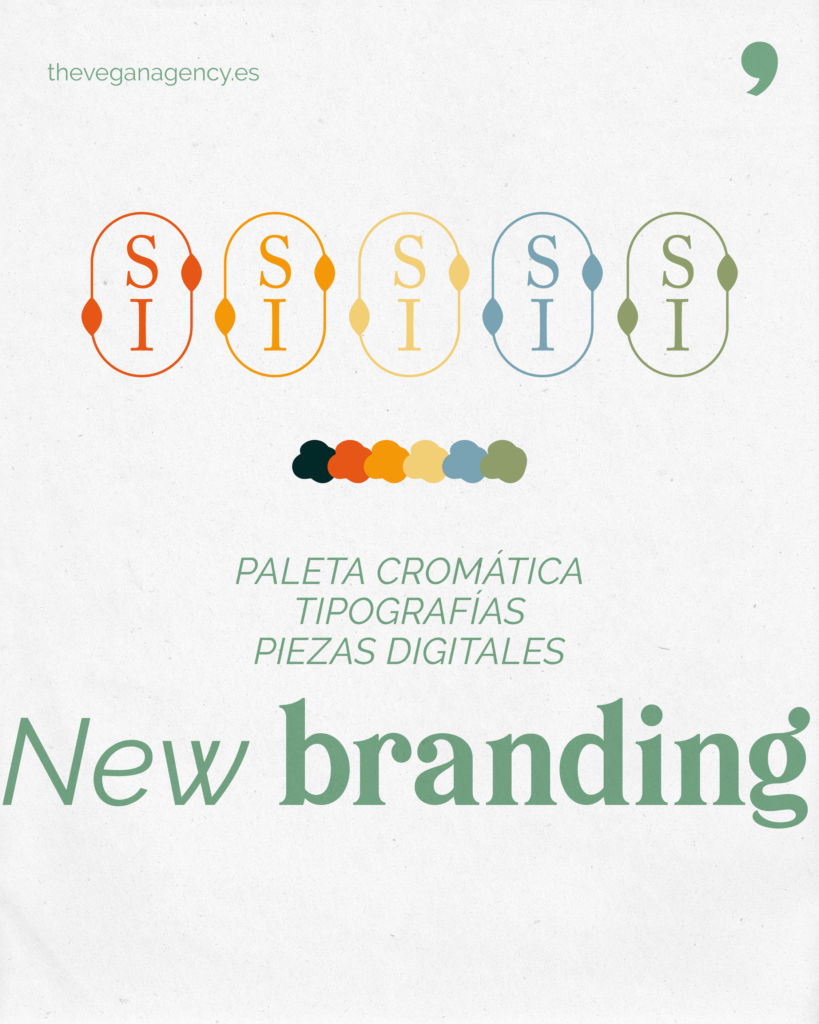
When we develop vegan brands, we present them with an entire graphic universe with which to express themselves. This ranges from developing a complete color palette using the colors that this vegan company needs to launch its messages, to its own iconography (or emojis) to express its tone on social media. Of course, the typography of your logo and other material will always be something you are also recognised for, so we always prepare a graphic universe of fonts that go with your branding and are not just lifted from another brand. Each of these elements is a pillar that supports your brand visually and allows your people to recognise you easily.
Example: Imagine a vegan food brand that uses a logo representing a green leaf. While it is a clear symbol of veganism, the brand should not limit itself to that. In fact, it’s already overused. Think of all the vegan brands you know that have a green leaf involved in the branding…there are plenty. For sure, you also know loads of brands that used vegan branding 2.0 – orange (the opposite of green) in their branding!
2. Dismissing the power of colour
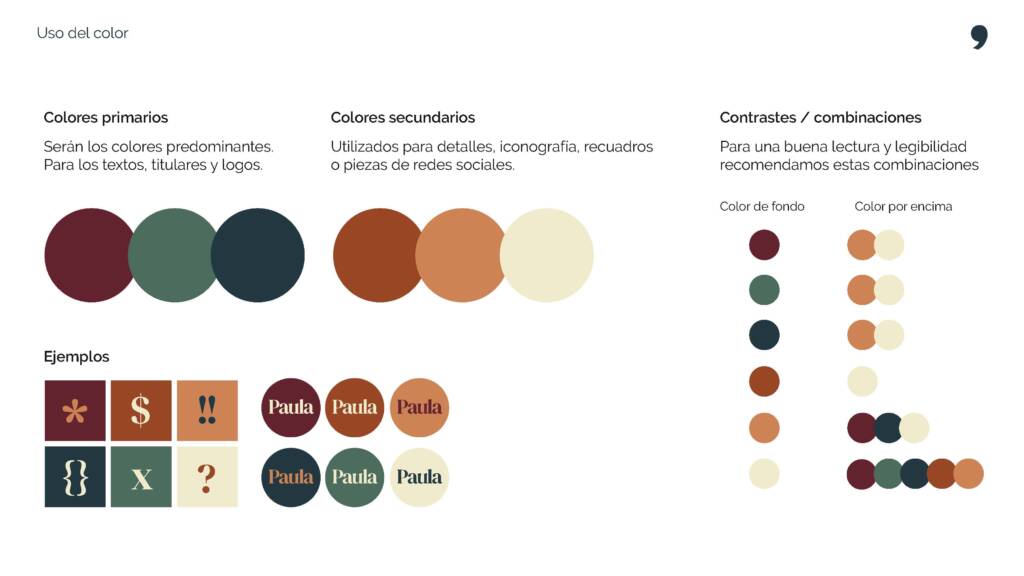
Colour plays a fundamental role in the perception of a brand. You can’t simply choose a single colour, nor can you fill your branding with all the colours of the rainbow, unless you are from the LGBTQI+ community and then it’s intentional, of course. Each colour has cultural associations and meanings that can influence how your brand is perceived. You have to select your colours carefully and strategically to convey your brand’s personality and attract your target audience. Let’s not forget, either, that you want your brand to have a colour scheme that represents you as a founder, and you like looking at!
Example: If you have a vegan clothing brand, the choice of bright and fresh colours can communicate the idea of vitality, freshness, and sustainability. On the other hand, the use of dark and rich colours can convey a message of luxury and quality.
3. Not knowing your client means not knowing what they like to see, or how they like to see it
Knowing your target audience is essential to creating effective branding. If you don’t understand your consumers and their visual preferences, it’ll be difficult to design branding that speaks to them effectively. You must choose a style that resonates with your audience and aligns with their values and tastes. This can be a little tricky because you need to put yourself in your customers’ shoes and think about their tastes rather than your own.
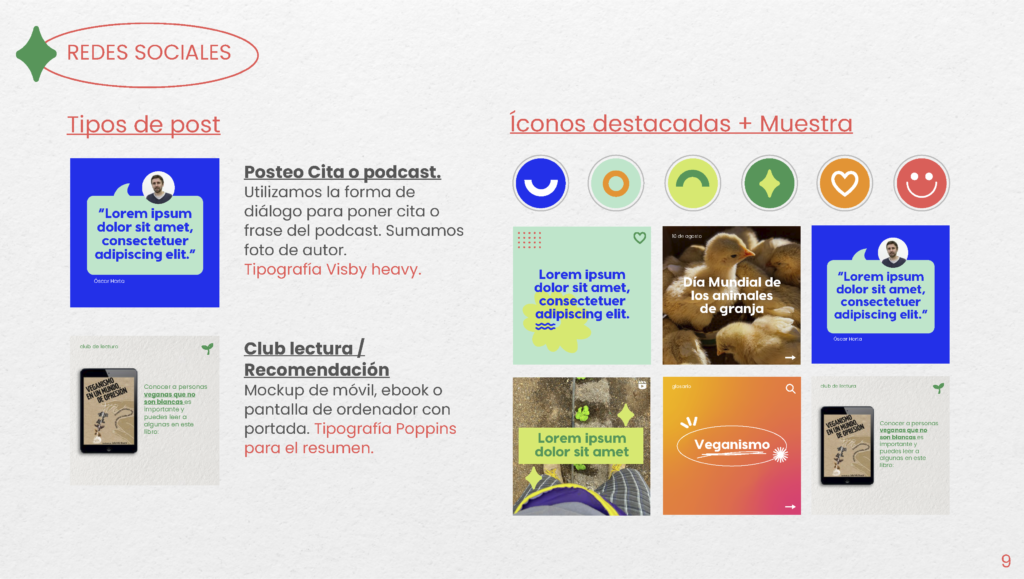
Example: Suppose you have a vegan cosmetics brand like BESTIE Skincare. Their target audience is GenZ, so a younger and sustainability-conscious audience. It’s key that their branding reflects this aesthetic and appears how and where GenZ is looking.

4. Stop using trendy templates (or canva templates)
One of the traps that some brands fall into is using pre-designed templates or fleeting trends in their branding. Why? Because it’s easy; we’ve all done it, but there’s a price. It can make your brand look generic and unoriginal. Instead of following what’s fashionable at a given moment, you should strive to differentiate yourself from the rest and stand out from the crowd.
That being said – there’s no reason not to incorporate trends into your communication, but try to keep your branding fad-free!
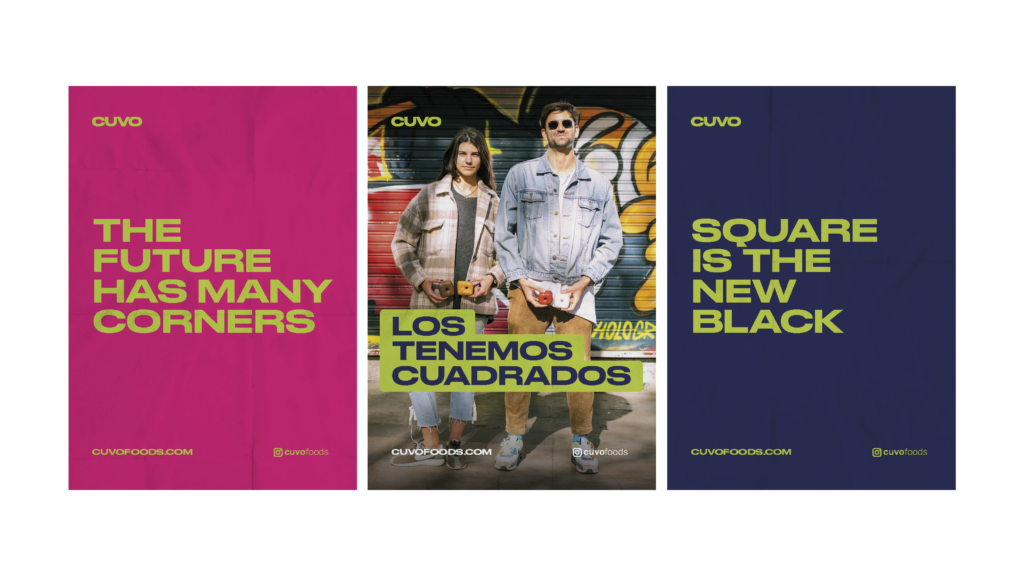
Example: On social media, it is common to see the same typography or design templates used by various brands at the same time. If everyone follows the same trend, your brand will get lost in the noise or won’t be remembered by your potential customers. Instead, try to work on unique branding that’s distinctive and memorable, like the one we worked on for Cuvo Foods. Think of any brand you remember – it sticks in your brain because it’s different, right?
5. No branding is not an option
Finally, we can’t emphasise enough the importance of actually having proper branding. Some brands may think they can do without branding, maybe they can half-arse it, or that it is not relevant to them, but this is a mistake. Just like that extra gin and tonic – it’ll be back to bite you in the arse. Branding is what differentiates you from the competition, communicates your values, and builds an emotional connection with your customers. Not having branding is like not having an identity, it can lead to a lack of recognition and confusion among consumers. It’s like the opposite of a classic spy character – you don’t want to blend in and be instantly forgotten.
Example: If you decide not to invest in branding and simply launch your products without a solid visual identity, your products are likely to go unnoticed in the market, even if they are incredible. It happens more than you’d think. Remember that incredible product you used a few years back, and then when you recommended it to a friend you just couldn’t remember the name of the company? Poor branding. Well-designed branding helps you stand out and attract the attention of your target audience and turn them into community and customers.
6. Bonus Track: don’t be a carbon-copy of other vegan brands
It is really important that you develop your own unique style. Imitating other vegan brands too closely instead of developing a unique identity is a common mistake in the world of branding. This is even more important for vegan brands, as authenticity and originality are fundamental to conveying the passion and values they represent.
For example, if you see that a vegan food brand has a particularly successful slogan, that you really like, it may be tempting to use it for your own brand. However, this approach is not only a bit unethical, but it also makes your brand indistinguishable from the competition. Instead of copying, seek inspiration from other brands, but make sure to give it a unique twist that reflects your own story and values. After all, there’s no other brand exactly like yours.

So, to sum up; originality and authenticity are crucial when it comes to the branding of a vegan brand. Avoiding copying other brands and instead working on developing a unique identity will allow you to stand out in the market, effectively convey your values, and build a solid relationship with your audience and clients. Remember that your vegan brand has a unique story to tell, and branding is a vital tool that helps you tell that story in a memorable and meaningful way.
In conclusion, effective branding is essential for the success of any brand, especially for vegan brands. It’s not just about an attractive logo, but about telling a coherent story, knowing your audience, and differentiating yourself from the rest. Avoid these common mistakes and work on authentic and effective branding that supports your vegan values and connects with your consumers. Remember, branding is the visual voice of your brand, and it must convey your values and your passion clearly and convincingly, and you should love it, too!
If you want to go beyond branding for your vegan or plant-based brand, and you want to take care of the photos, for example, you’ll need to know what types of photos your vegan restaurant needs, and we also give you the reasons why your vegan brand needs those corporate and professional photos.
Remember to also follow us on our new Instagram channel for more exclusive content.
All these photos and graphics are our property ©, so please email Tom@theveganagency.es if you wish to use them.