

This article was originally published in Caternews in Spanish.
The Best Sustainability Communication Strategy is Doing Things Right, by Paula González Carracedo
I chose my degree, way before I got to university because I came across a book by Anita Roddick, the founder of The Body Shop, titled “Business as Unusual.” In it is recounted how this British pioneer in the world of sustainability, and sustainability communication, already had a very clear vision of how things had to be done – and communicated – in her small Brighton shop. She not only implemented small discounts for her customers when they brought back their bottles for recycling, but she also always used her corporate communication to be an activist for the issues she cared about. These were: animal welfare (no ‘The Body Shop’ product was tested on animals), social justice, feminism, and the environment.
I don’t need to tell you about the corporate giant that The Body Shop has become and how this woman’s legacy is a company that has changed the rules of the game forever. Anita and her team knew that social movements were where ideas and proposals for a better future were born. They also knew not to disappoint their consumers and so they supported initiatives that were helping in various issues of civil society, even before anyone knew what Corporate Social Responsibility was in companies.
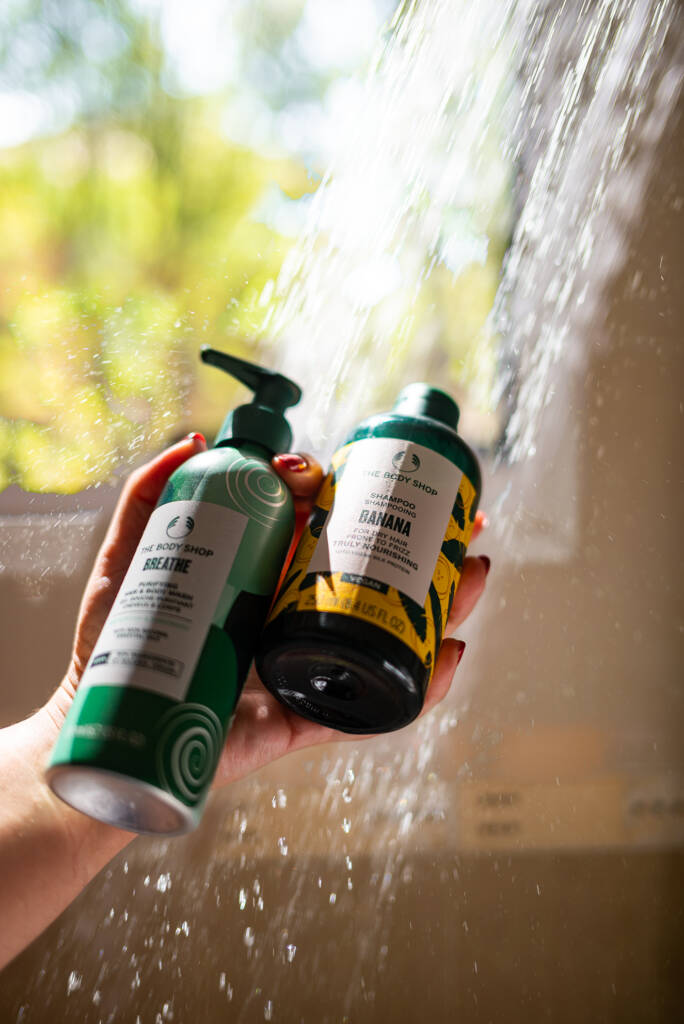
Communicating, therefore, is more about doing than saying. As I write these lines in 2024, I have to admit that standing out from the crowd of news, noise, and social networks is becoming quite a challenge. However, I insist that this is the best way to elevate your commitment to sustainability and to make your stakeholders take your efforts seriously.
Companies are social agents and should be agents of change. They should be at the service of the citizens and pursue common and collective interests that go beyond generating profit at the end of the quarter. In reality, you have already seen this before: what is more useful to society? A start-up that burns capital and promises very quickly or a consolidated family business that continues to contribute and contribute?
It is 2024 and we have two of the most difficult challenges ahead of us that humanity has ever faced. On the one hand, with a constantly growing population and more than 735 million people going hungry in the world (2023 UN data), we cannot maintain an intensive livestock system that uses up to 83% of natural resources (water, soil, energy, etc.) to provide only 18% of total global calories (Poore, Oxford, 2018). We have to think about how we are going to feed all these people more efficiently and stop wasting resources.
There are already plant-based initiatives that have solid proposals, very successful palatability, and are nutritionally adequate. By the way, those 100% vegan restaurants or companies already automatically comply with 4 of the 17 SDGs proposed by the United Nations. Something to definitely consider.
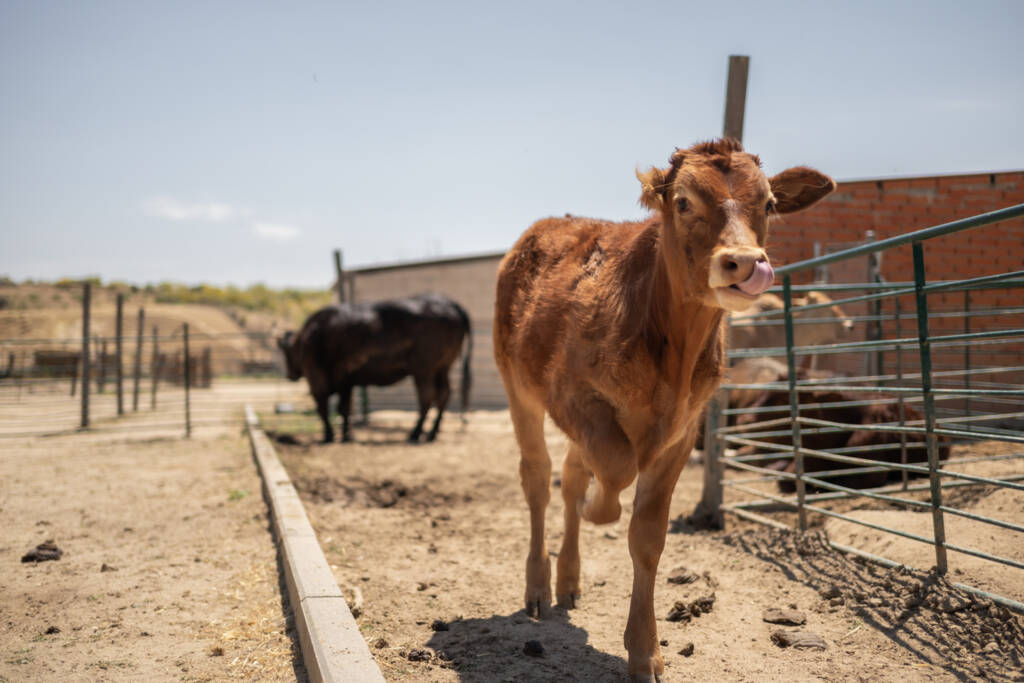
On the other hand, the Climate Emergency hangs a sword of Damocles over our heads – and those of the next generations. Time is against us. It is a race against the clock. Again, there is an urgent need to implement better food strategies that pollute much less and help mitigate very harmful effects on the planet, our biodiversity, and the different ecosystems.
So we need brave companies, people with the same vision and desire to change things as the award-winning Anita Roddick. Of course, you already know the rest of the communication strategies: preparing reports, supporting or inventing initiatives with social agents that match your principles, thinking about an industry awards gala, diversifying efforts in different channels, testing and innovating in advertising and paid media, investing in a good communication and PR agency, fostering strategic collaborations with influencers, becoming patrons of the arts, journalism, technological or scientific projects…
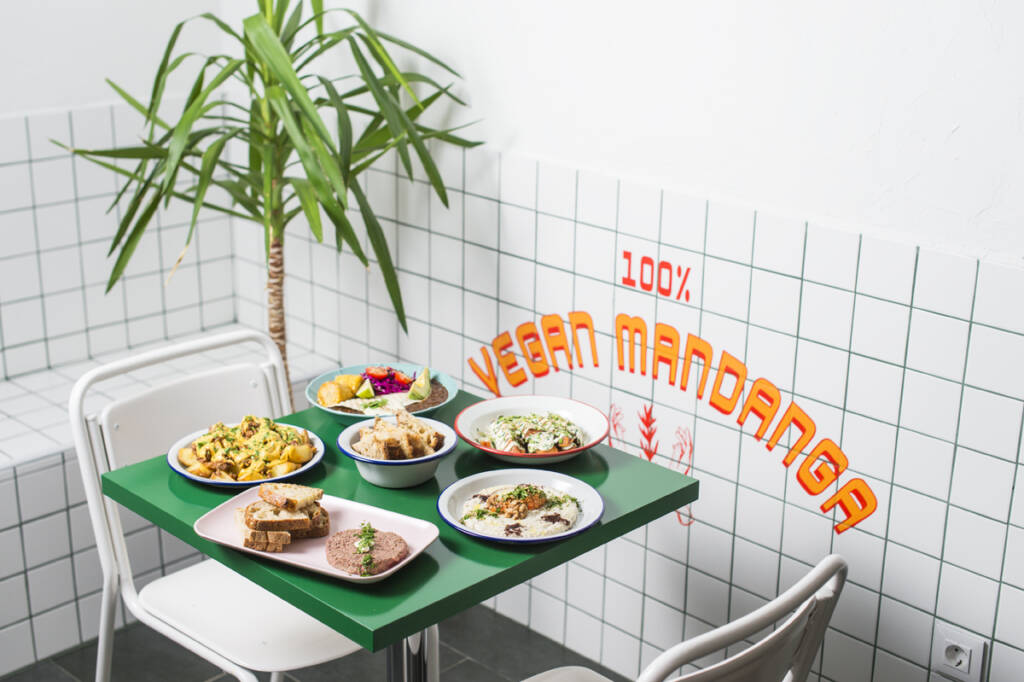
The important thing is to do things, as I said in the title, with meaning. The best way to improve your sustainability communication strategy is by doing sustainable things. And what better contribution than the sense of belonging to a species to help us position ourselves as part of this world, so that we learn, through our communication actions, to leave a better legacy.
If you want some more communication tips for your businesses, here are ten ideas for your vegan or plant-based business.
Also, remember to follow us on Instagram for more exclusive content.
All these photos and graphics are our property ©️, so please send an email to Tom@theveganagency.es if you want to use them.